EIB series - سلسة عيب
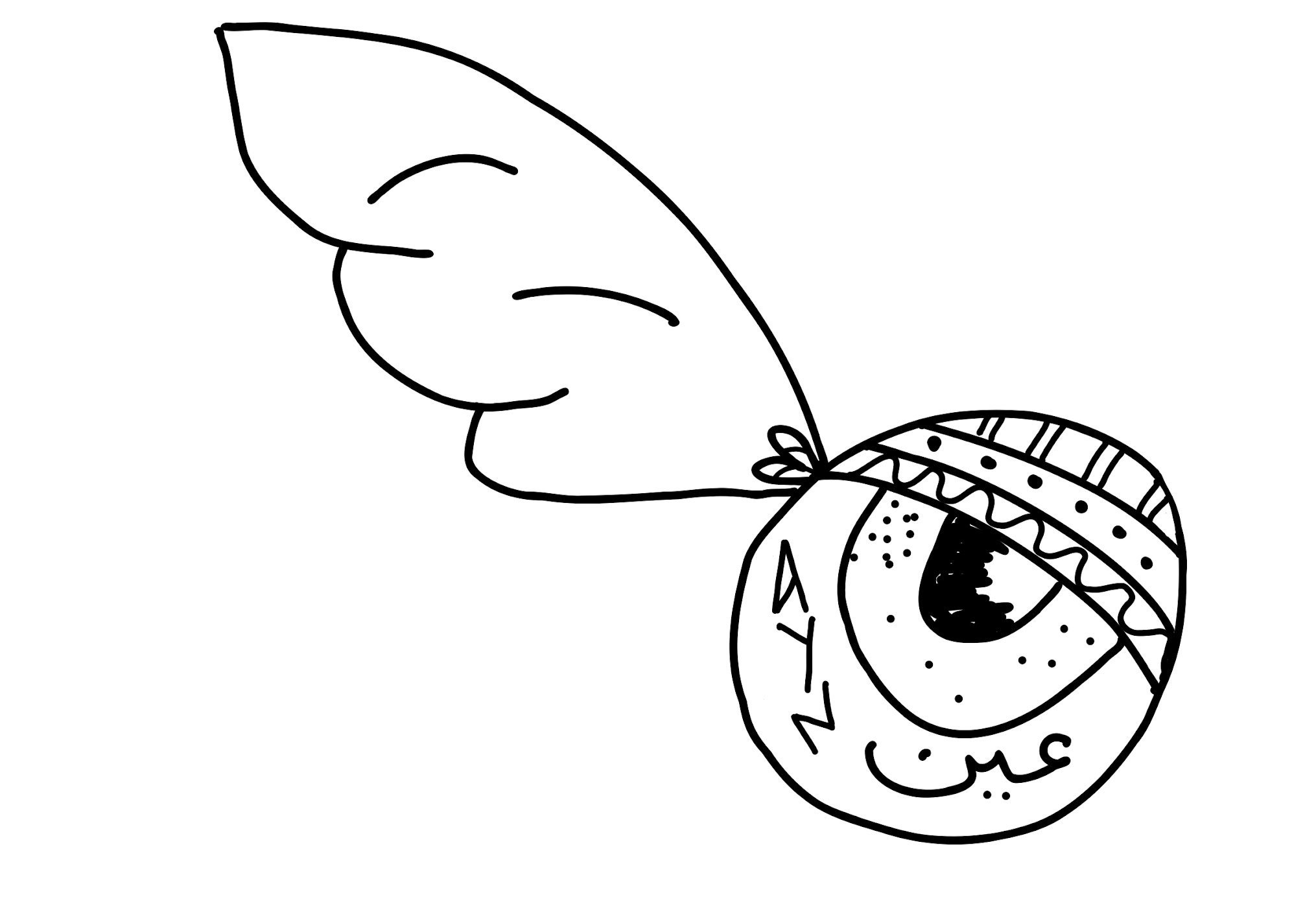
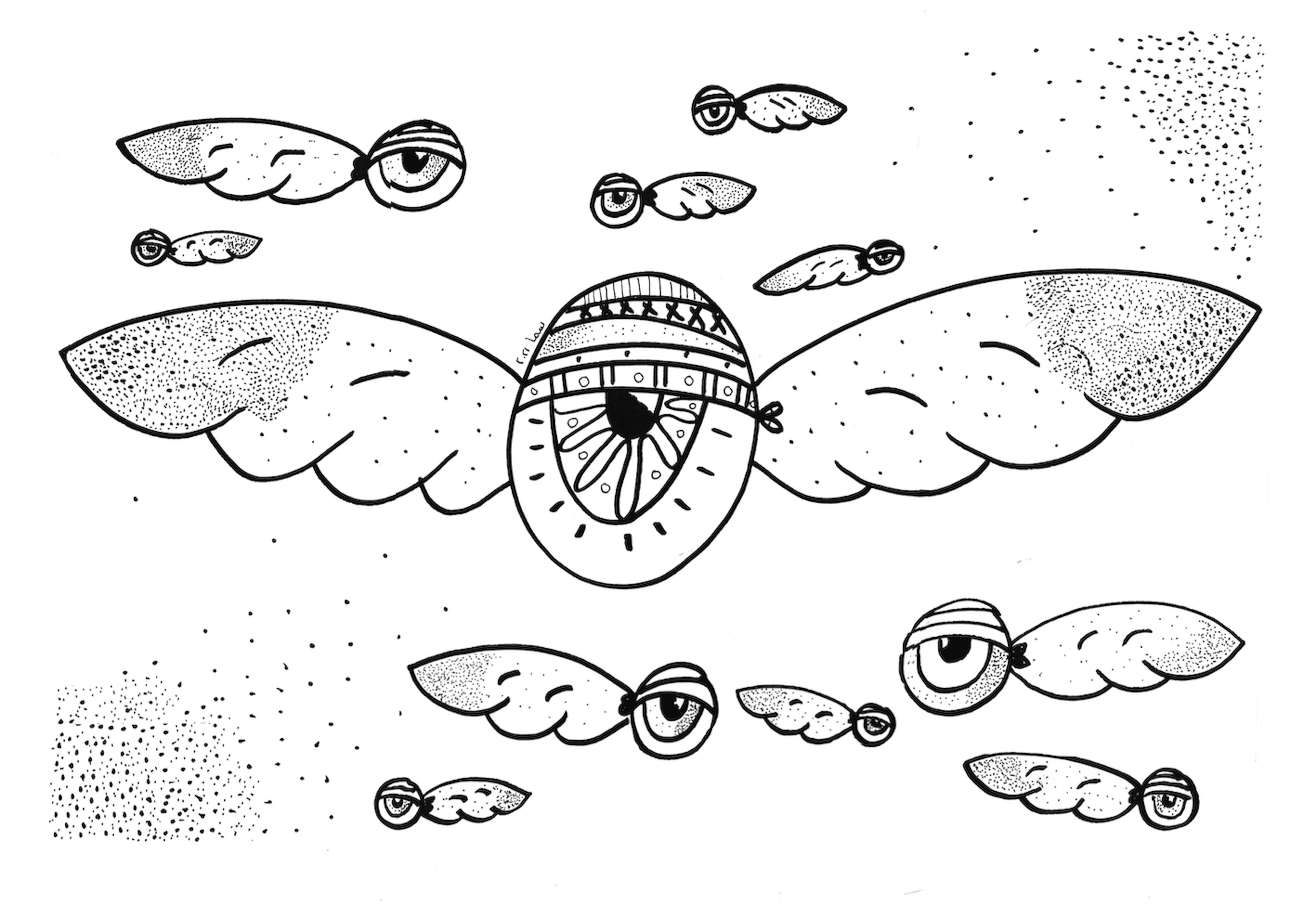
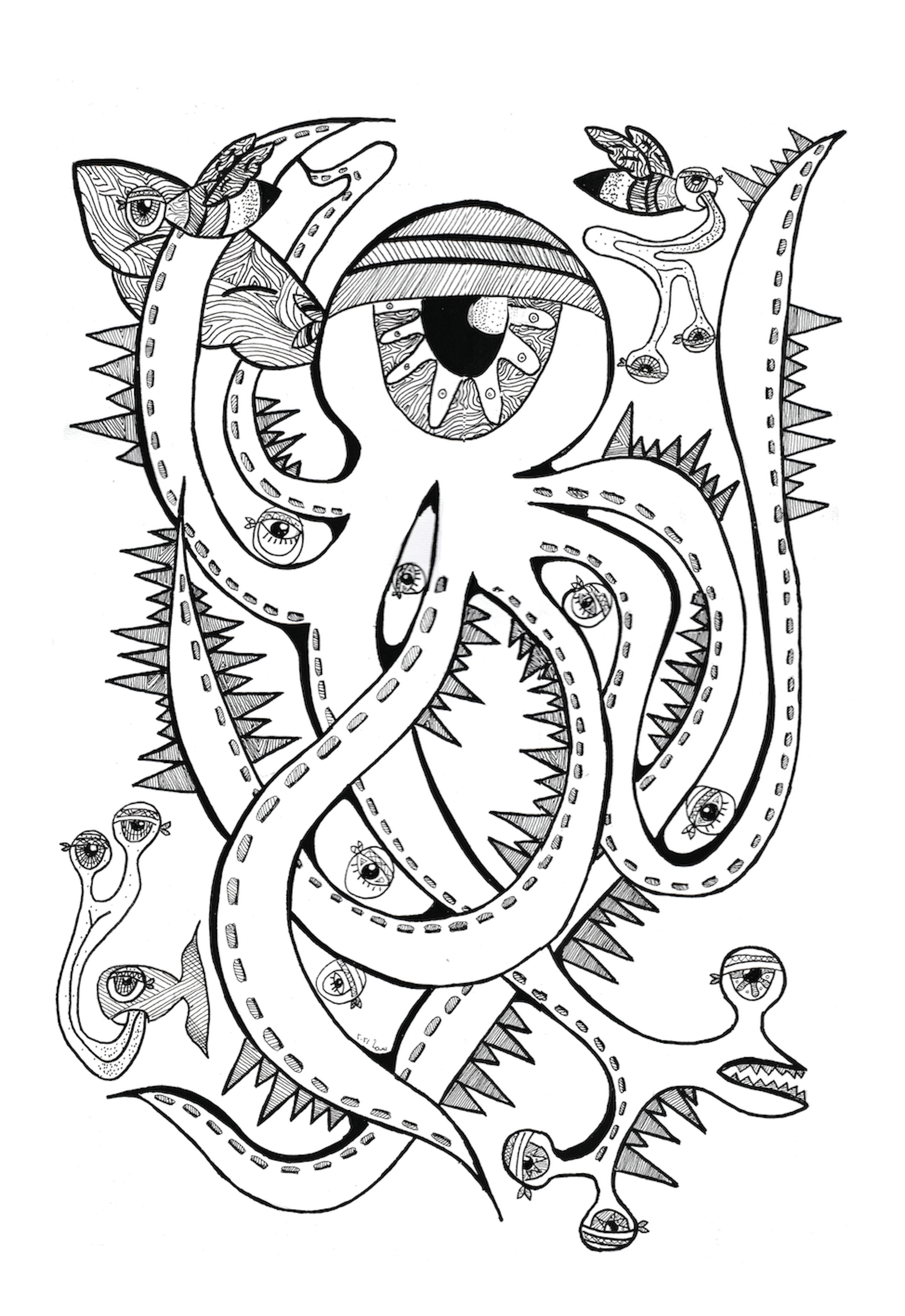
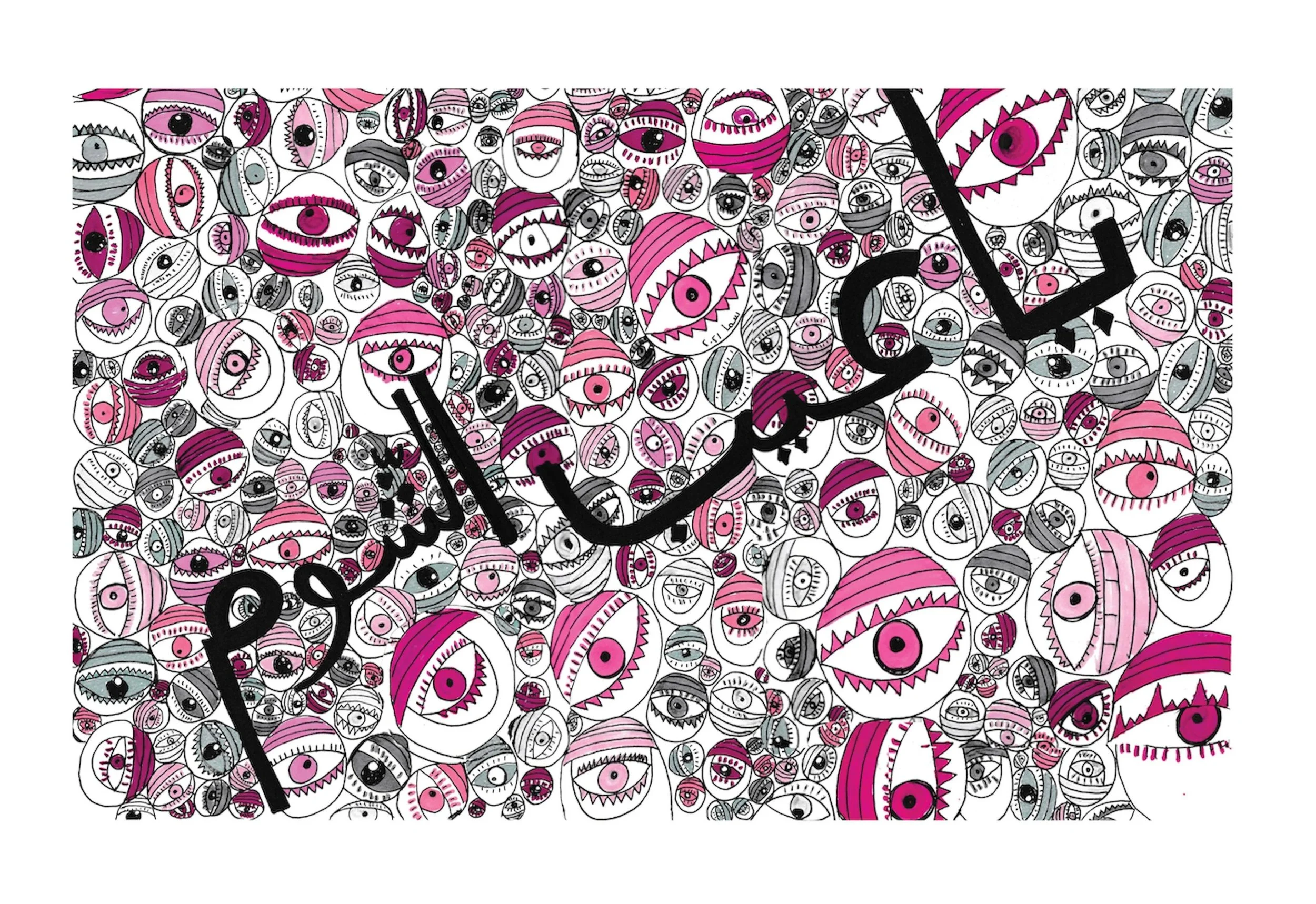
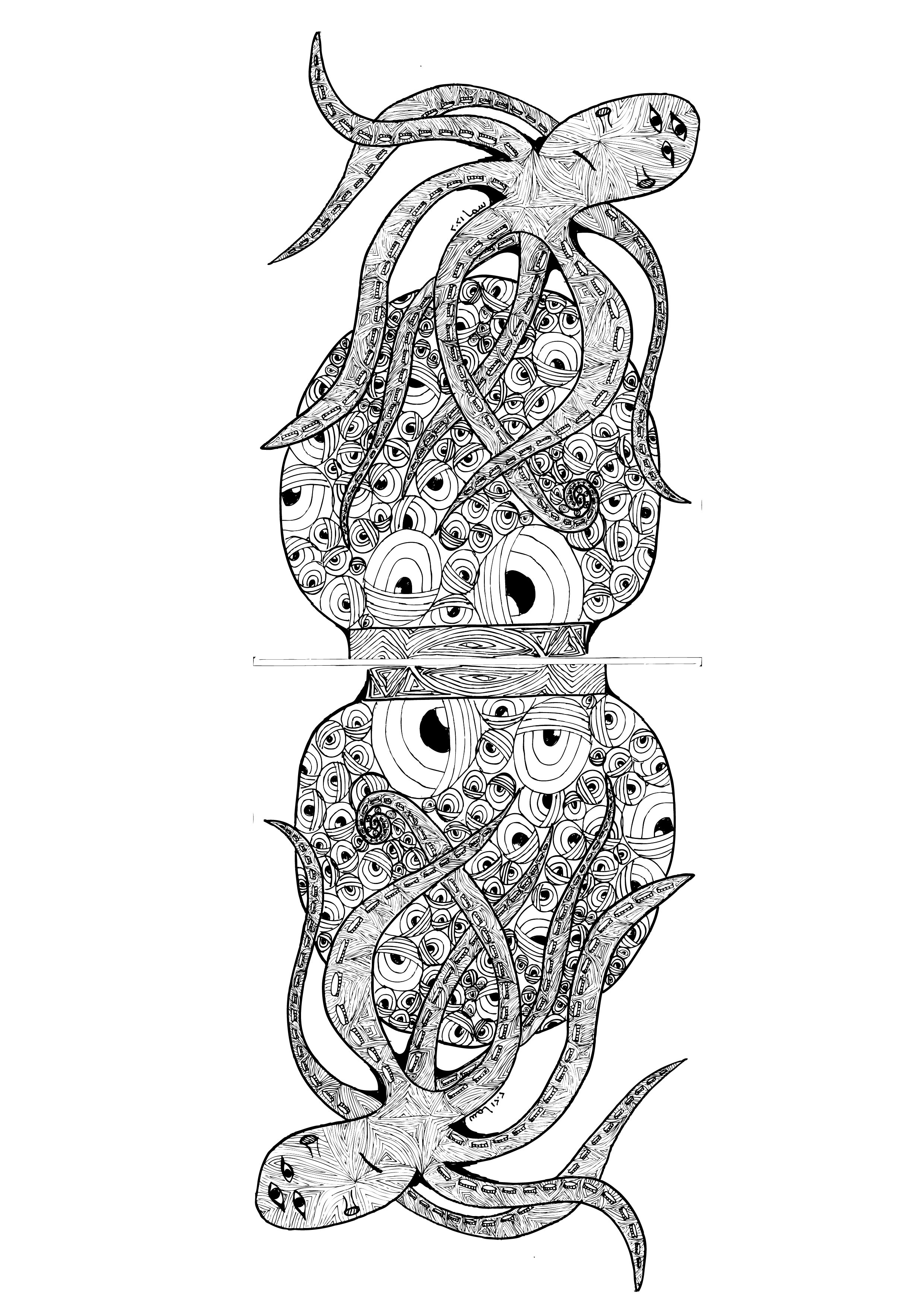
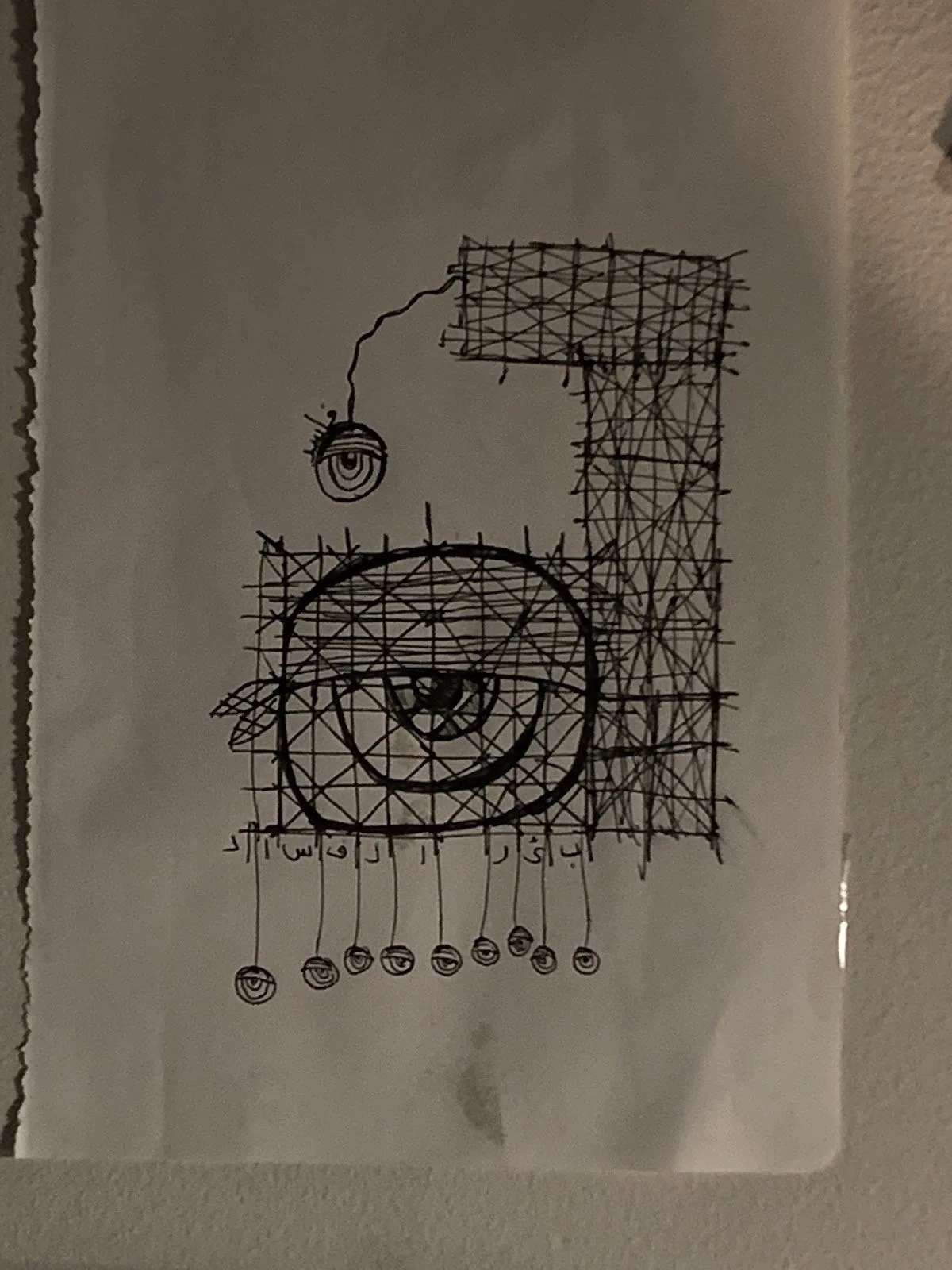
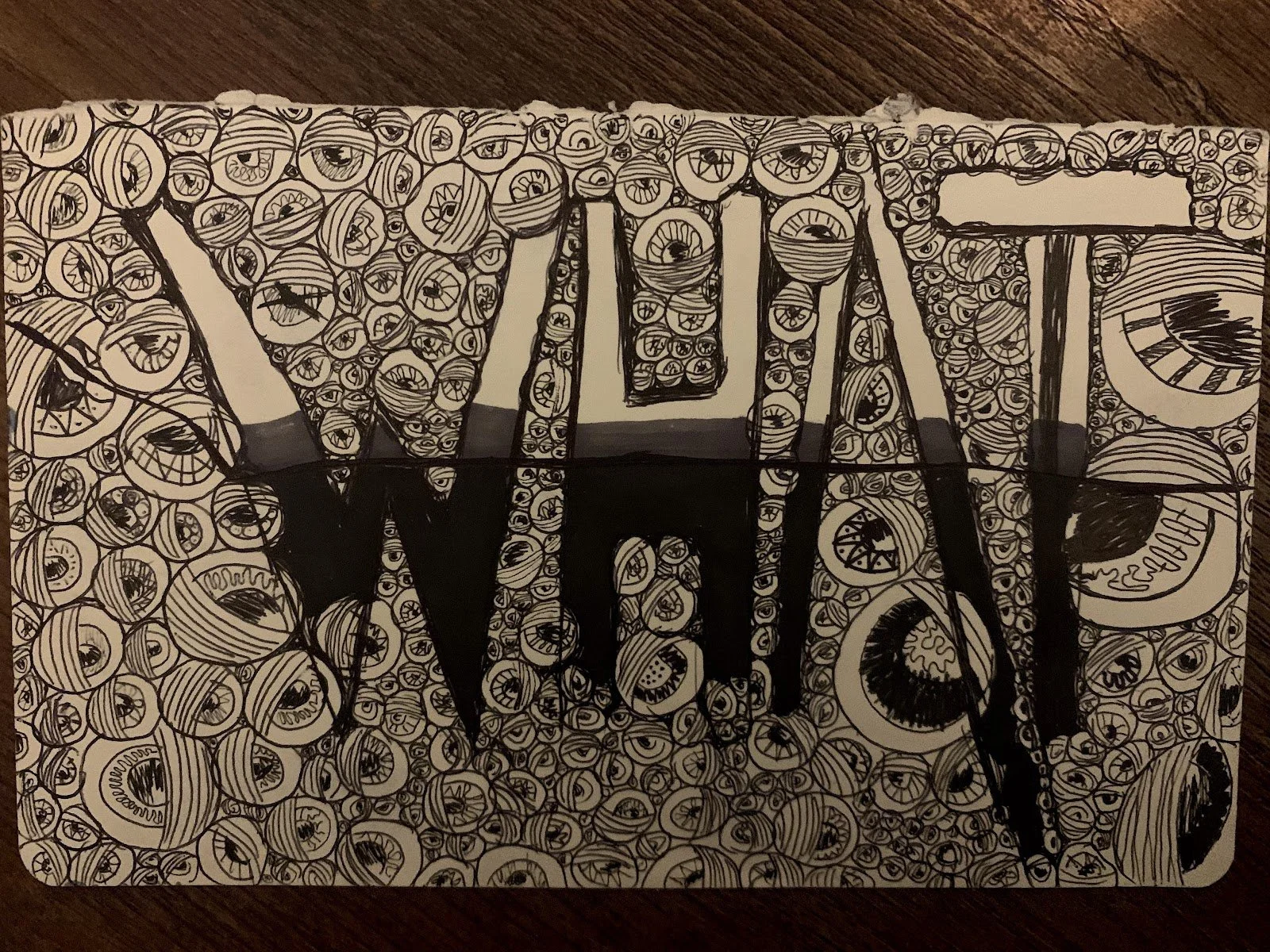
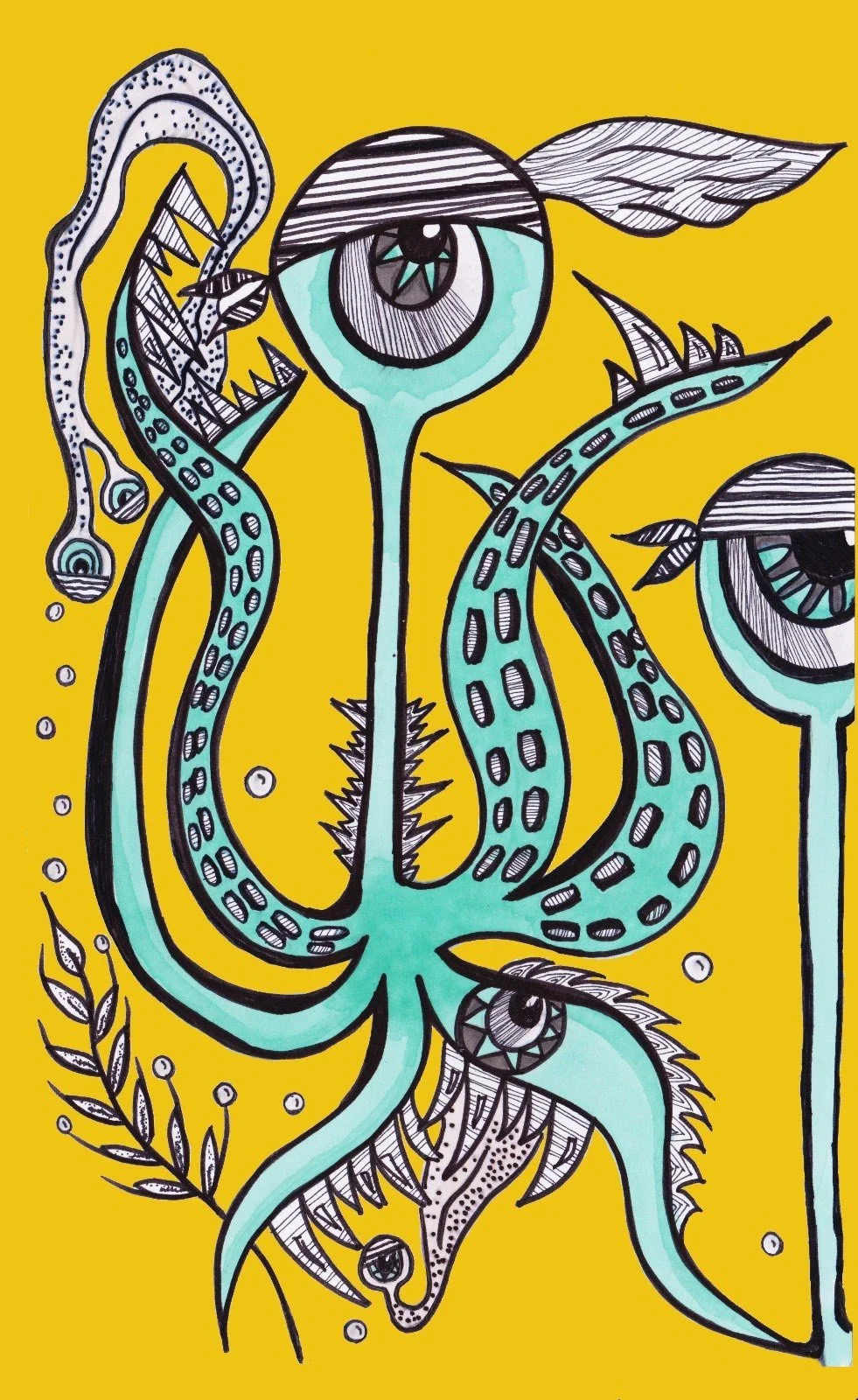
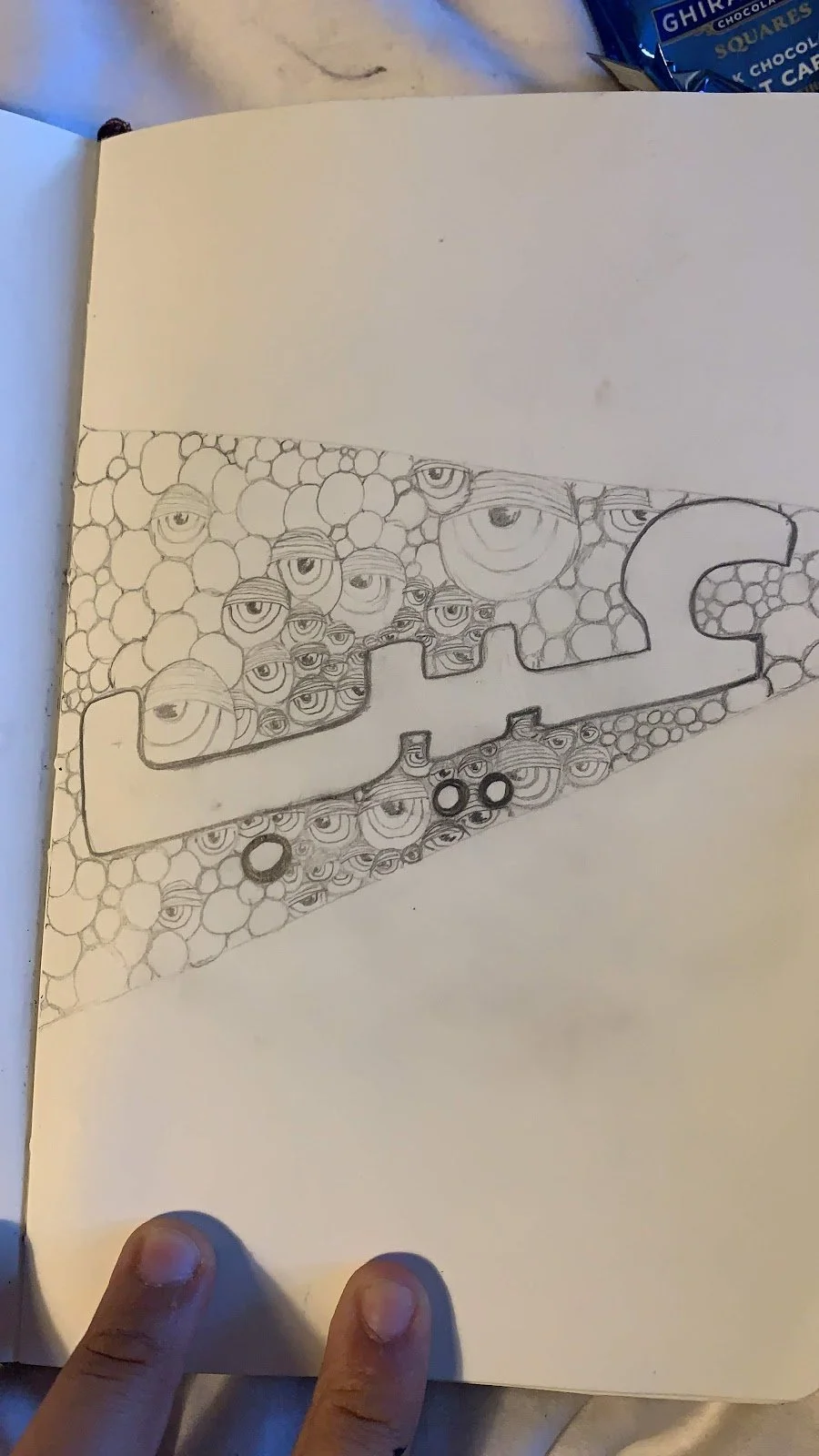
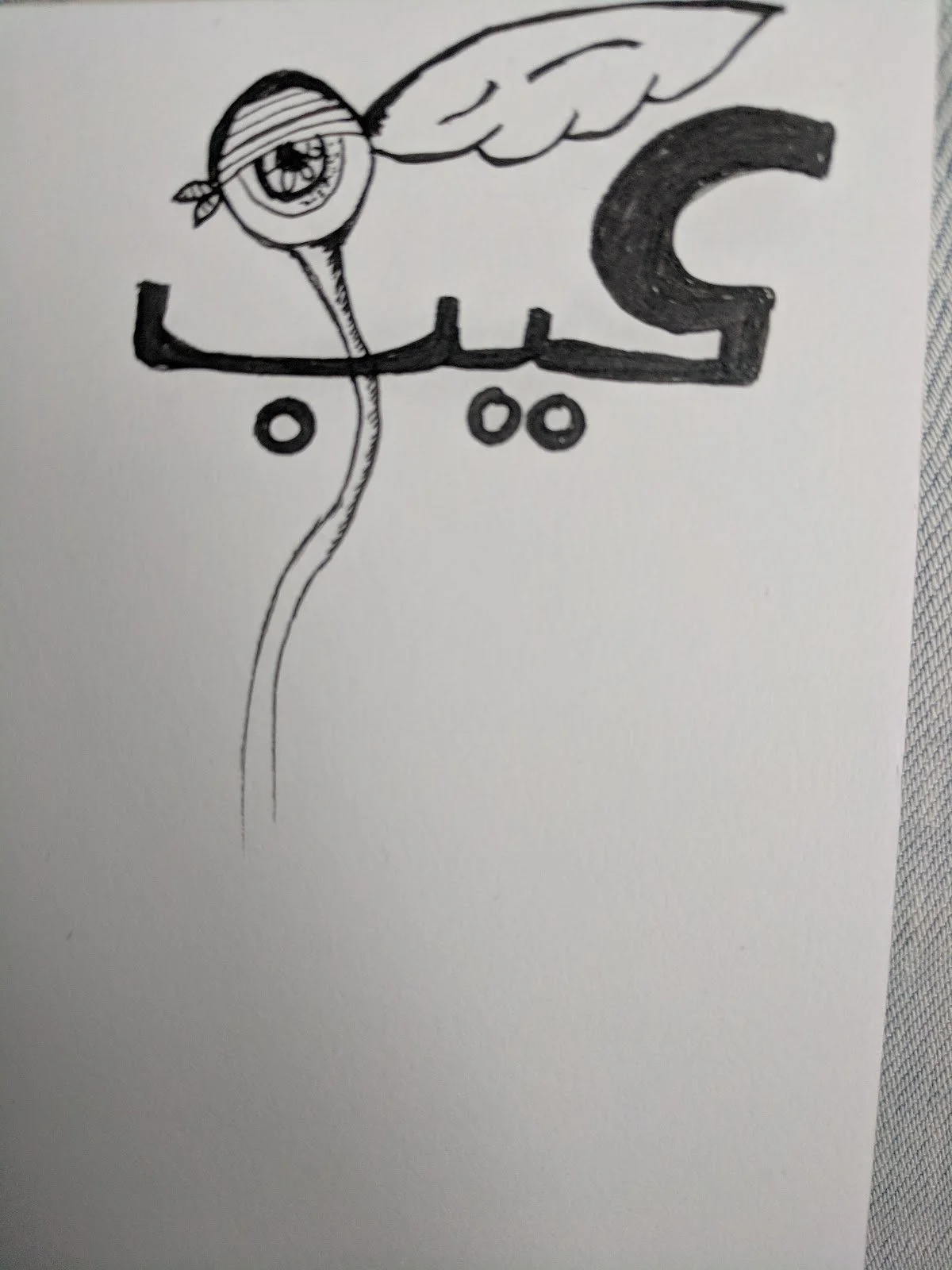
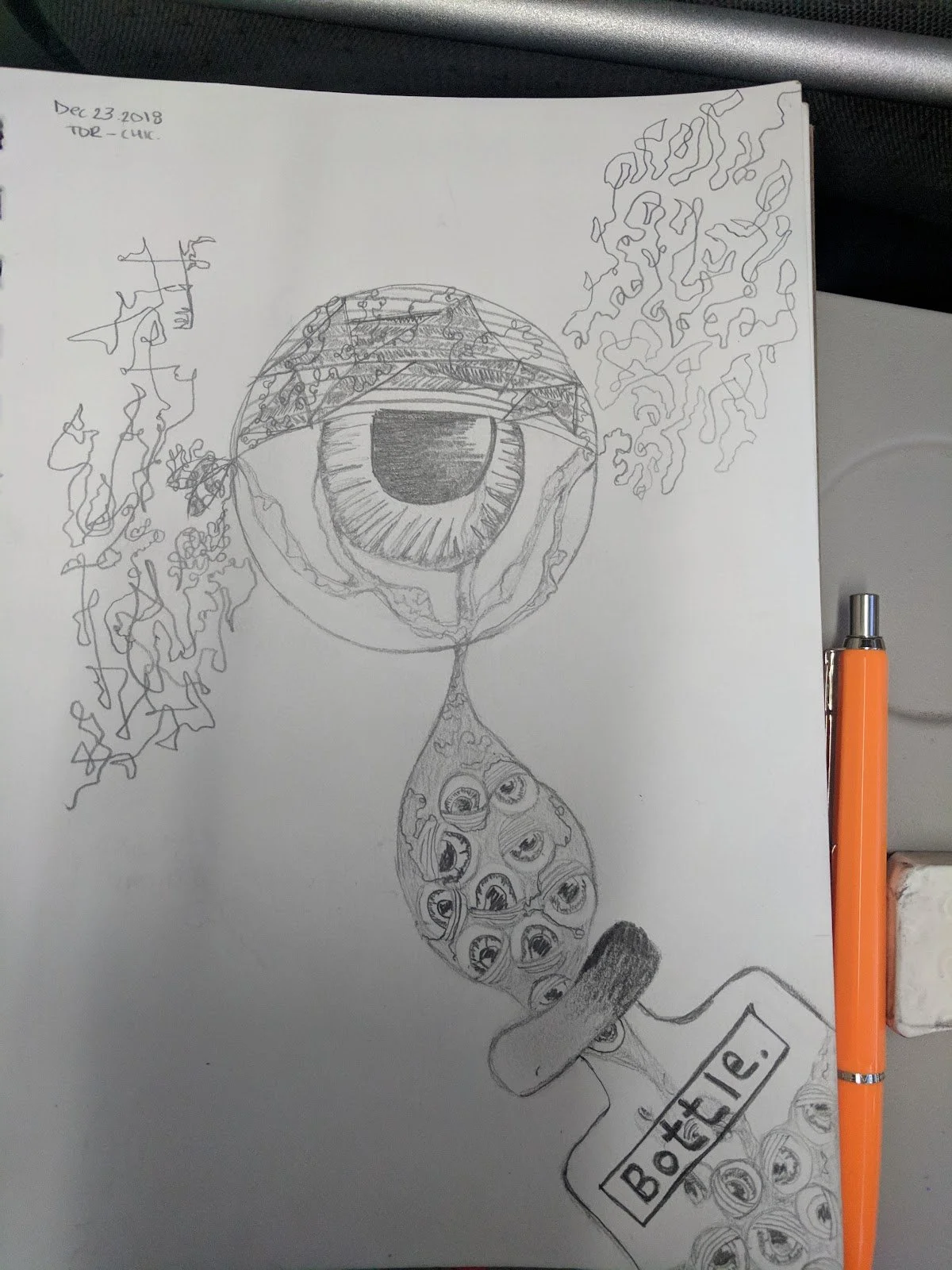
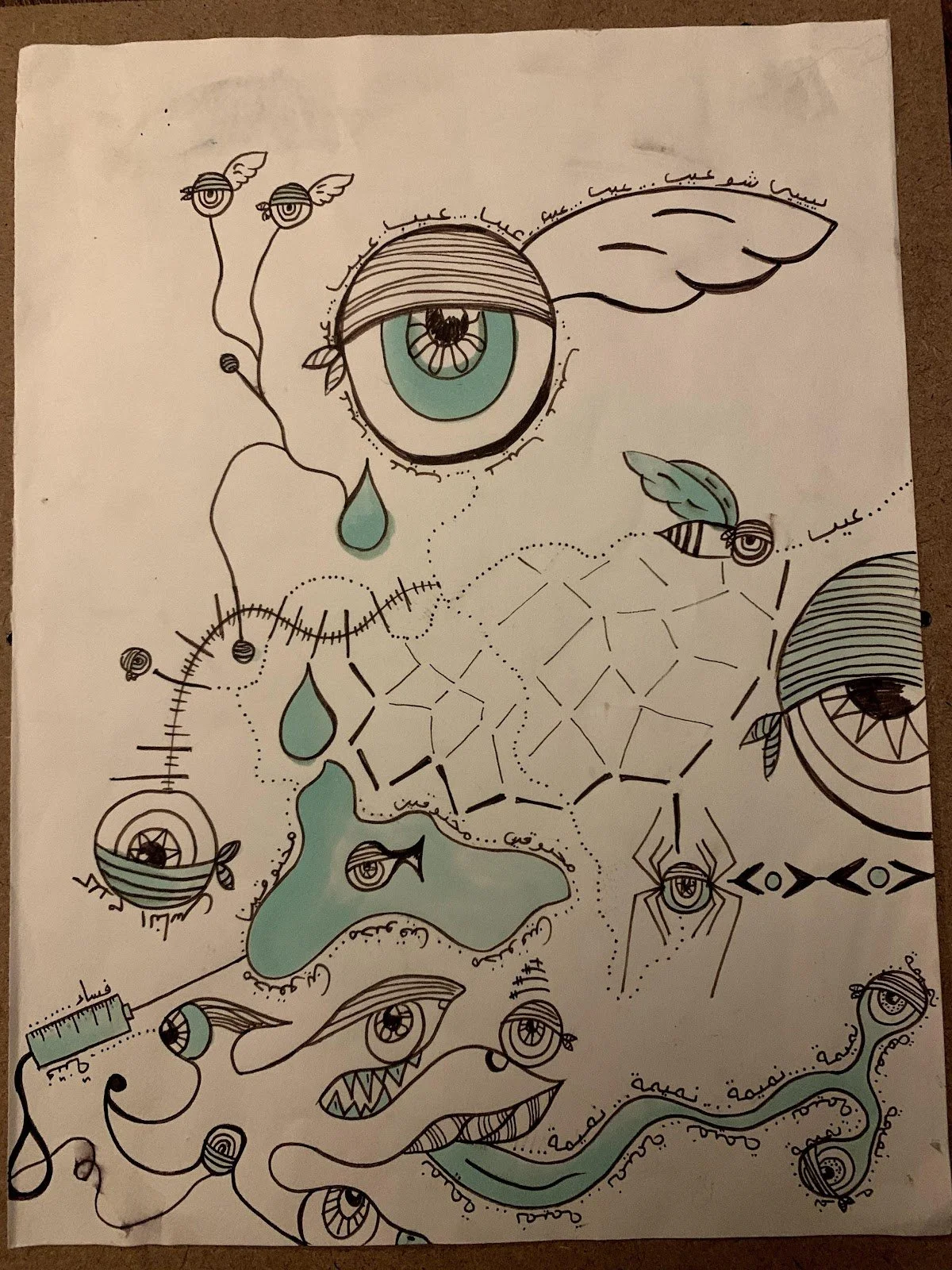
“Eib” is a series of hand drawn illustrations by local artist Sama Dudin, as part of her art endeavour “AYN”- meaning “Eye”. “Eib”, arabic for “Shame”, is a common theme in the middle east that restricts one’s freedom and personal mobility. The use of shades and hues of pink in many of the illustrations depicts how shame is emphasized most on the female gender in the middle east. The use of the Eye with the bandana symbolizes the eyes of society that are constantly on the lookout, waiting for an opportunity to shame us.

The artwork created can be sold as prints, magnets, coasters, mugs, hats, shirts, stickers, canvas bags, and any other swag items someone could think of. 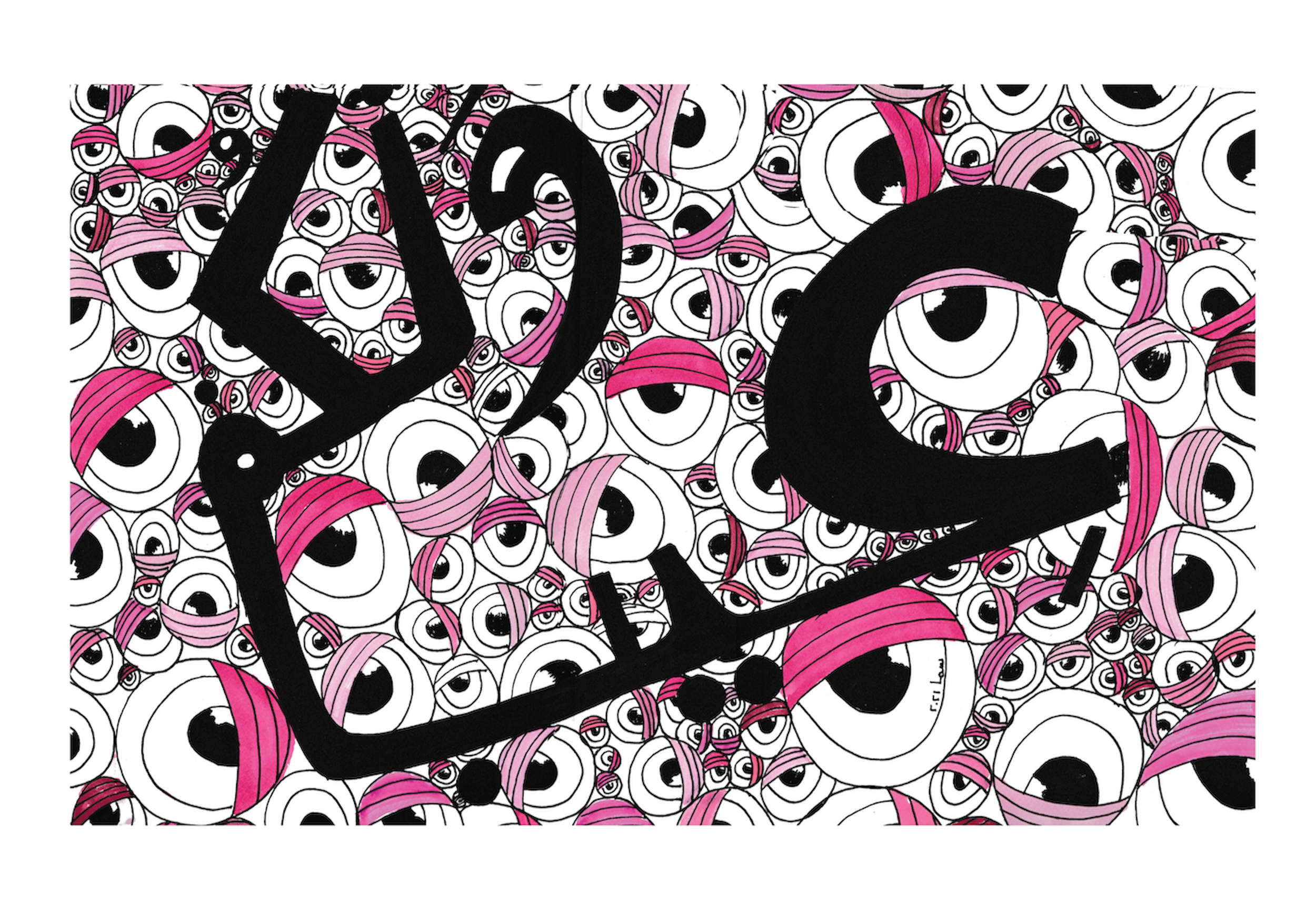
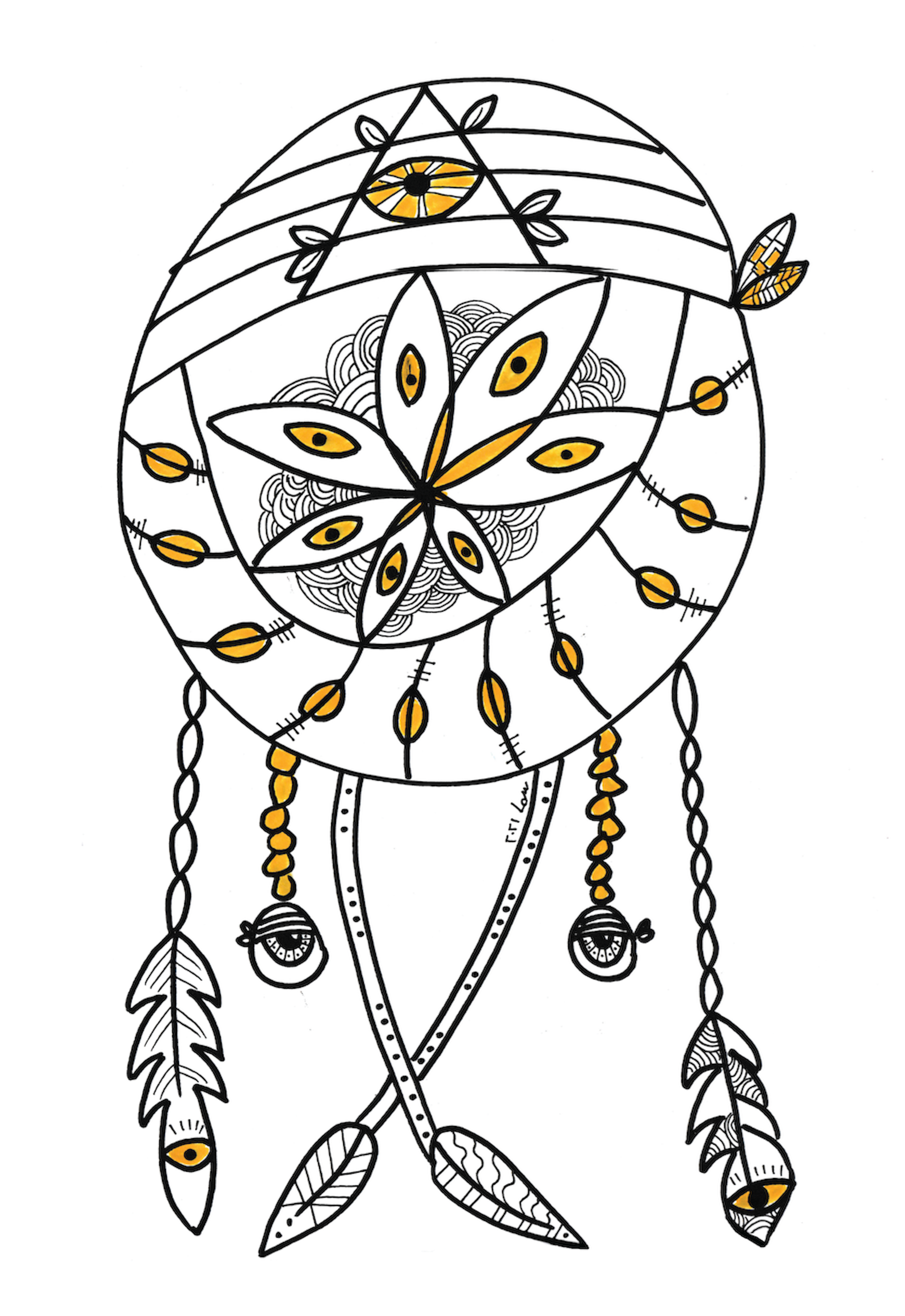
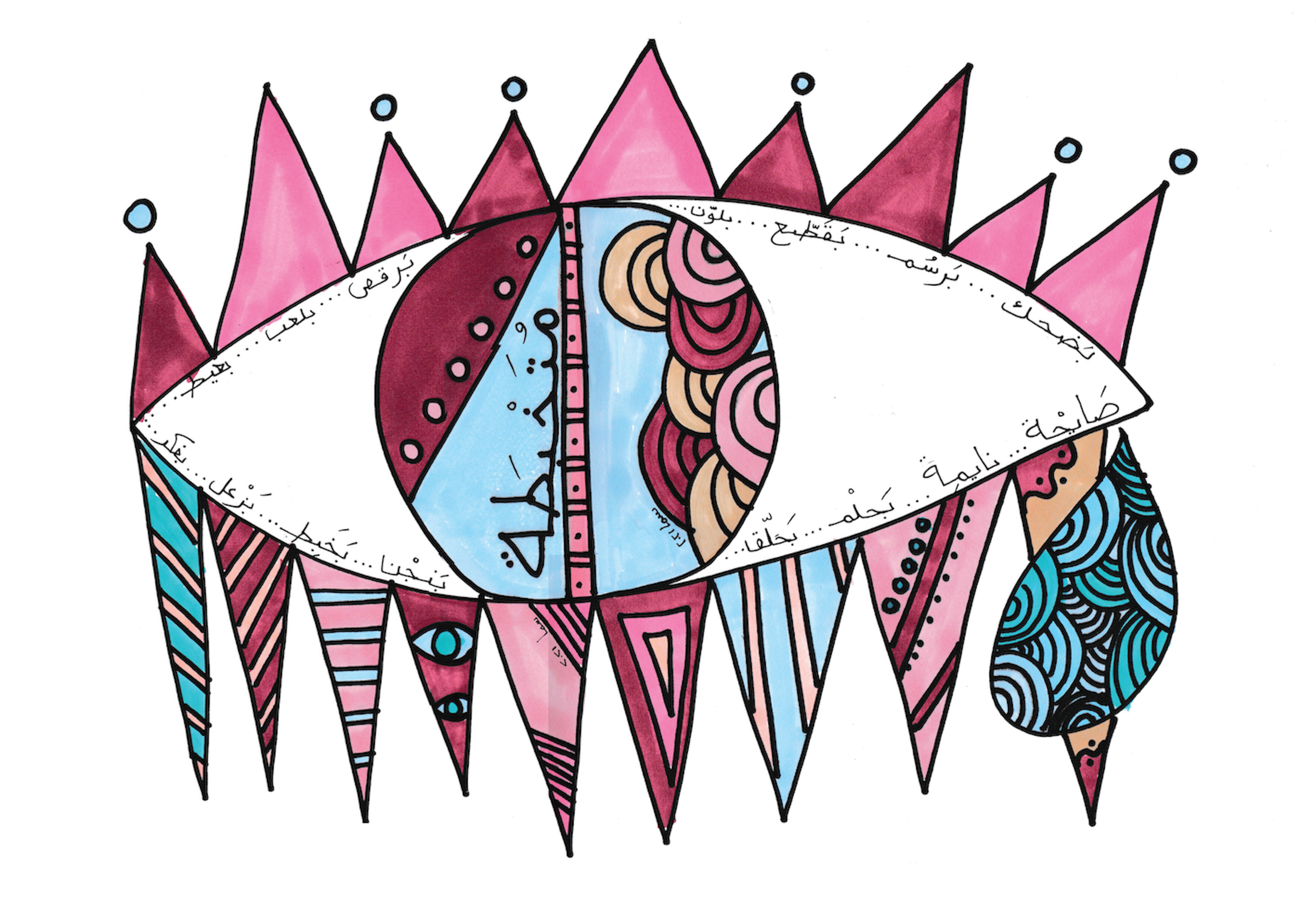
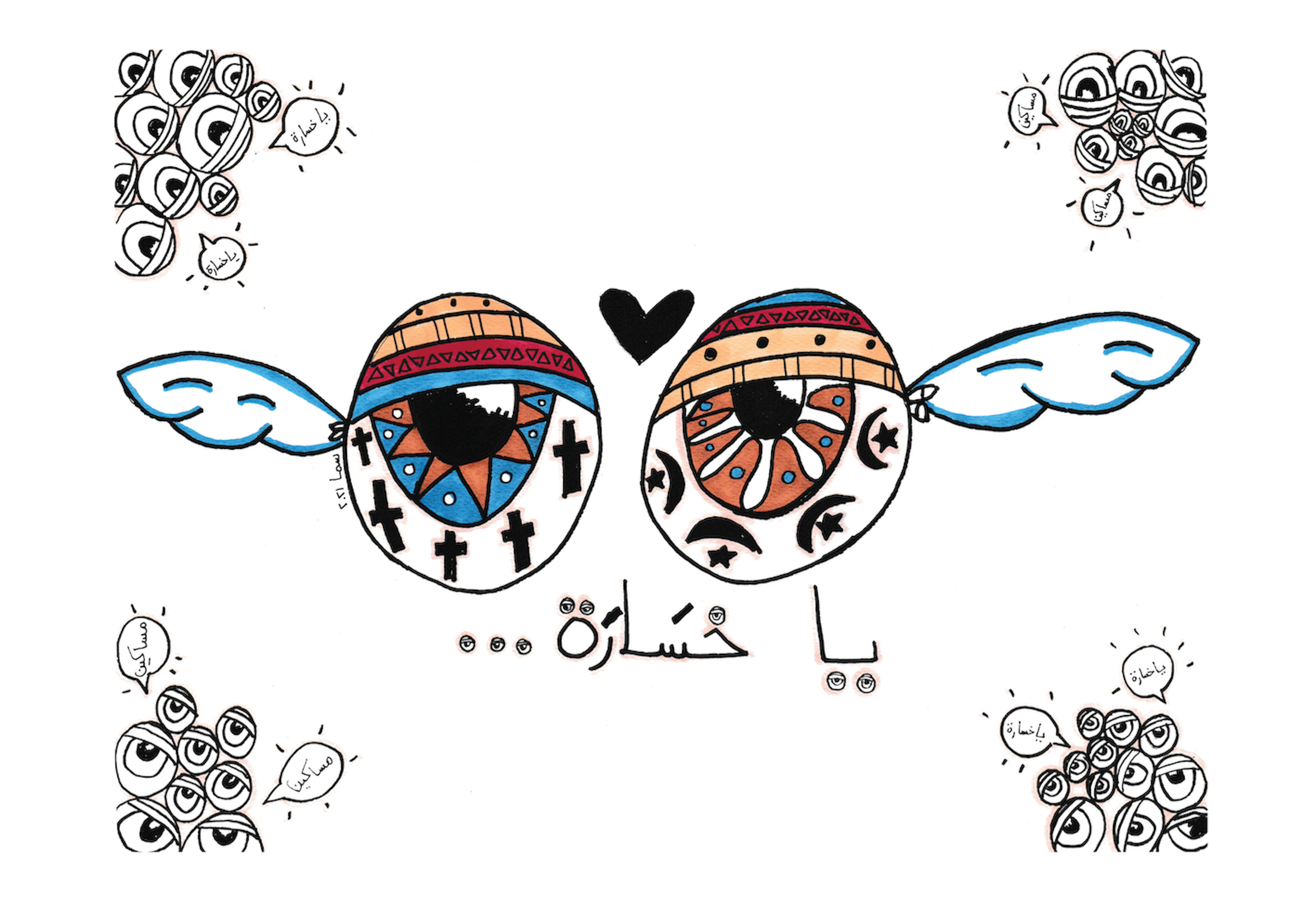
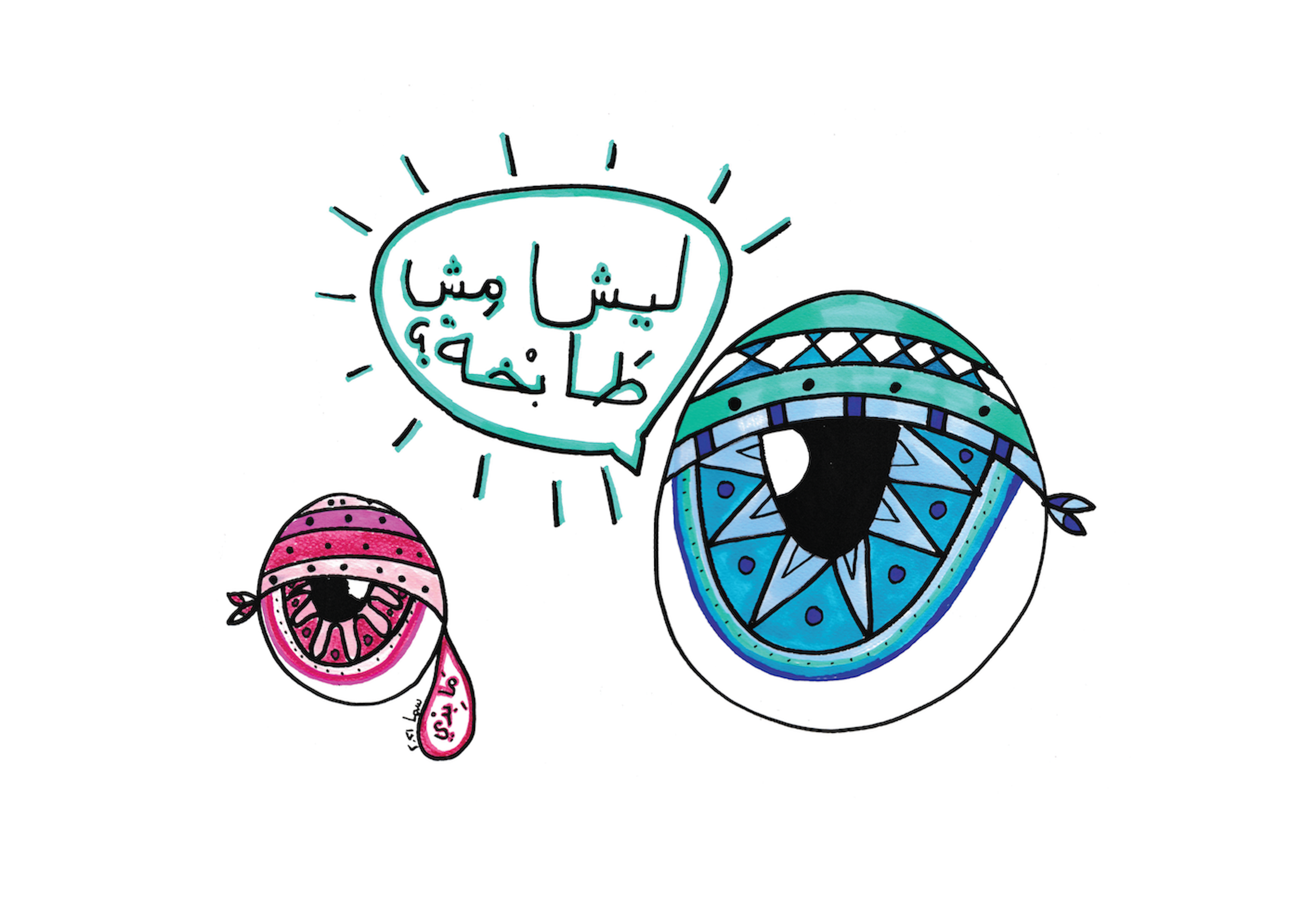
EIB Series - AYN Initiative - ForeSight Gallery
Written by: Suad Issawi - 2022
Under the patronage of His Excellency Mr. Haidar Mahmoud, the renowned poet and former Minister of Culture, the art exhibition of artist Sama Dudin will open on Tuesday, 22 February 2022, at Foresight32 Art Gallery. The exhibition, which is titled "Ayn," will run through 15 March 2022.
Using black markers and water colors, artist Sama Dudin captures the theme of the "eye" in her paintings in an amazing manner, taking us on a journey to explore the treasures of the eye in Jordanian popular sayings, which are rich in depicting the symbolic and realistic states of the eye. Thus, the eye is seen as a vehicle of speech, a mirror of the soul, and the best means of human expression, especially since it reveals one's self and betrays one's innermost secrets.
The eye has multiple descriptions, which reflect changes in the human soul, such as daring, loving, sad, joyous, and wandering. The eye, more than any other organ, has a special place in Arab popular heritage, whether in proverbs, stories, folk tales, or gossip. It is rich in symbolism in the popular memory, epitomizing greed, envy, and shame. Artist Sama, who is haunted by drawing eyes with a bandana, started by producing artistic pieces that are lighter in mood and more humorous in nature as part of the "eye" series, which embodies the eyes of society that are on the lookout and waiting for an opportunity to describe other people's conduct as shameful—a word that is deemed derogatory when it comes to females.
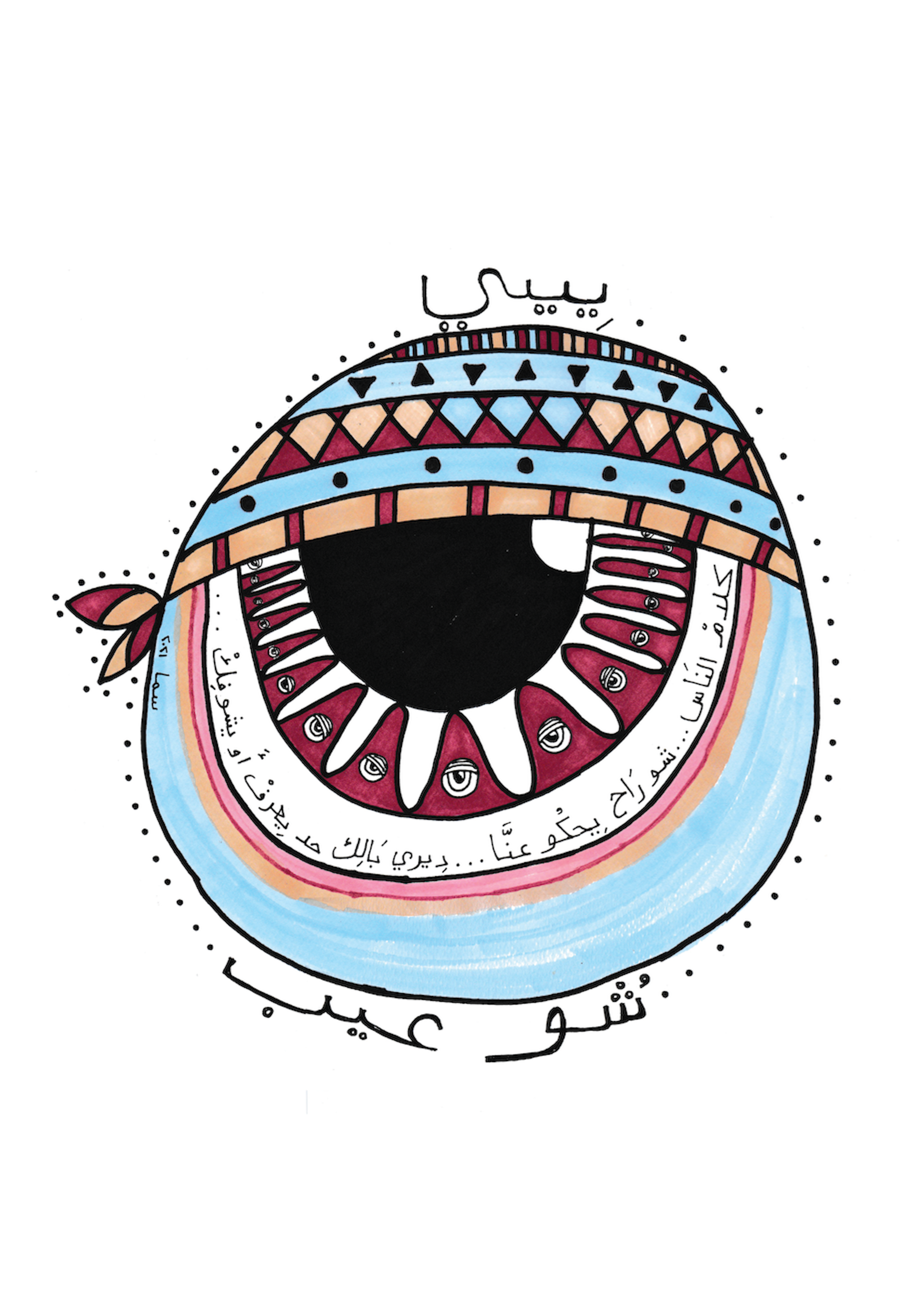
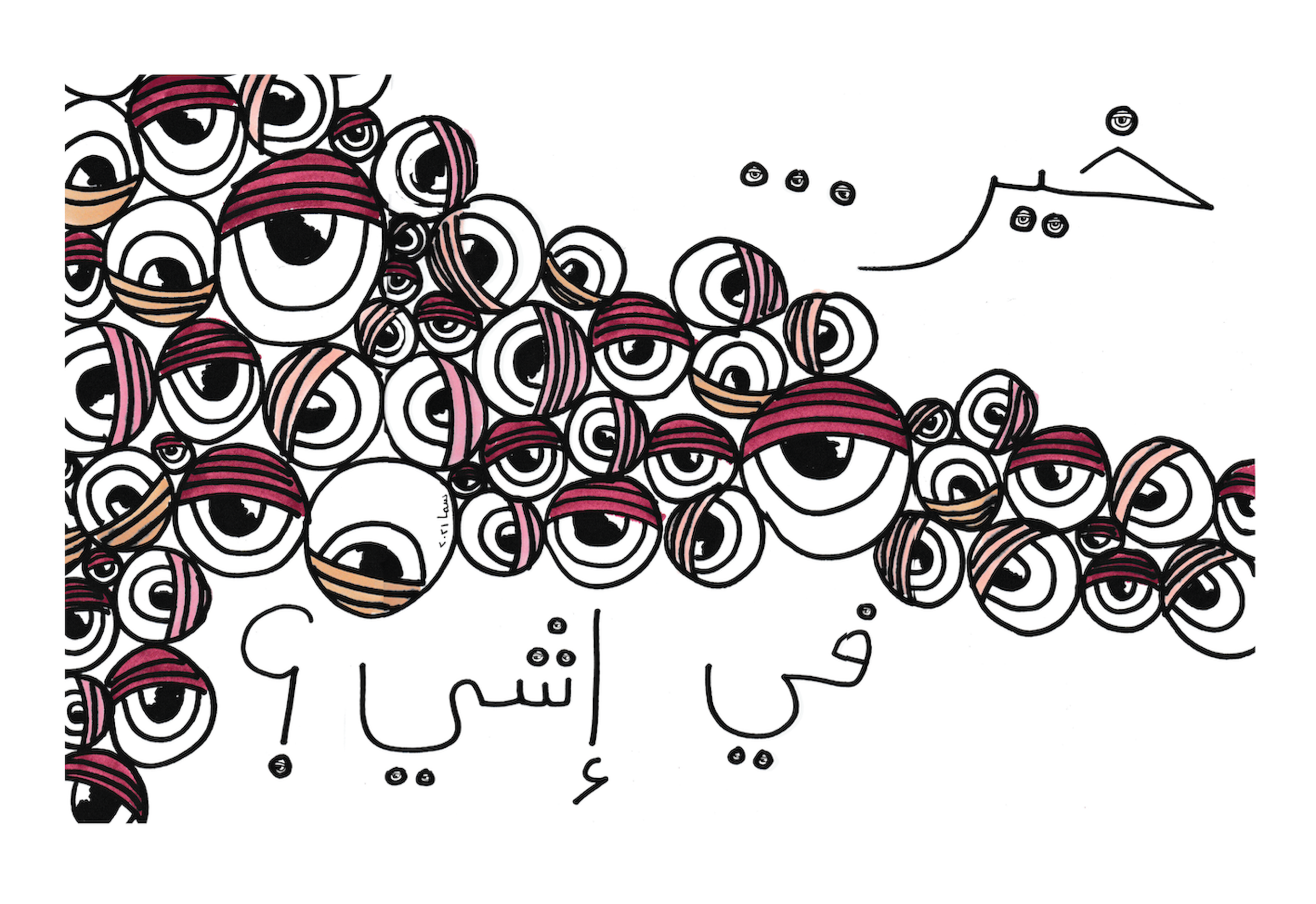
To underline the significance of artist Sama Dudin's works, we will borrow the statement of the great Russian poet Pushkin when he described the works of Gogol: "My God, he did not invent anything; he told the simple truth…" It is naïve to suggest that the works of artist Sama Dudin are just artistic games in the playing field of popular heritage, as many artists have done unconsciously. She expresses a visual state of creativity lodged within her and employs decorative architecture, plants, and writings, alongside the eye, which is strewn all over her paintings in different forms and shapes. Thus, we see the eye flying with wings and also turning into an octopus that has a bee, a fish, and other animal shapes. Some of her works, which combine the visual with its linguistic sense and the aesthetic with its artistic symbolism, also include writings that carry a lot of meanings, such as "is there a problem here?" "how shameful!" "so shameful!" "I am confused": Laughing, drawing, cutting, coloring, dancing, playing, teasing, awake, asleep, dreaming, flying, going wild, knocking, feeling sad, thinking, "what a loss!" "why haven't you cooked?" and "what a shame!"
These statements, which people often repeat, are the launch pad to help the receiver understand the aesthetic dimension of the "eye" symbol. What distinguishes the works of this exhibition, which include signs, decorations, and letters, is that they derive their power from heritage. A true creative person is one who adds new elements to visual knowledge, steering clear of consuming folk art and popular heritage, and creates worlds of his own.
Artist Sama Dudin, who used the creative process as a source of inspiration and imagination, is searching for immortality in the memory of the receiver. She is trying to lay bare reality through the theme of the "eye." She is also trying here to recast her local culture by adding another visual accomplishment that is rooted in popular heritage. She wants to reproduce her culture in a new form that portrays the "eye" while overcoming the attitude of "shame" toward females, which is widespread in society. She is doing this based on a contemporary vision that enriches culture in its positive side in general.
( عين ) الفنانة سما دودين في جاليري رؤى 32
برعاية معالي وزير الثقافة السابق الشاعر حيدر محمود يفتتح في يوم الثلاثاء 22 شباط 2022 بجاليري رؤى 32 معرض الفنانة سما دودين الذي يحمل عنوان ( عين ). والمعرض الذي سيستمر حتى 15 آذار 2022 نفذ بالقلم الأسود والألوان المائية. حيث تناولت الفنانة ( سما دودين ) على مسطحات لوحاتها ثيمة ( العين ) بشكل متميز واستطاعت من خلالها أن تأخذنا إلى خزانة ( العين ) في الأمثال الشعبية الأردنية الغنية بالحديث عن العين في مختلف حالاتها الرمزية والواقعية، فـ ( العين مغرفة الكلام ) ومرآة النفس، وهي أفضل وسيلة للتعبير الإنساني.. لا سيما انها تكشف احوال النفس وتفضح خفاياها.. وللعين مسميات كثيرة تتوافق مع تقلبات النفس البشرية مثل العين الجريئة والعاشقة والحزينة والفرحة والسارحة... كما حظيت العين أكثر من غيرها من جوارح الإنسان بمكانة خاصة في الموروث الشعبي العربي، سواء في الأمثال أو الحكاية أو الخرافة أو النميمة، وارتبطت بمدلولات رمزية كثيرة في الذاكرة الشعبية مثل الجشع والحسد والعيب..
وقد انطلقت الفنانة ( سما دودين ) المسكونة برسم العيون المعتمرة لعصابة الرأس، برسم أعمال فنية أخف وَطْئاً وأكثر مرحاً ضمن سلسلة ( عين ) والتي تجسِّد عيون المجتمع المتربصة بالآخرين لوصمهم بالعيب، وهو مصطلح ثقيل على النفس خاصة عندما يتعلق الأمر بالإناث.
وسنستعير للدلالة في النظر إلى أعمال الفنانة ( سما دودين ) قول الشاعر الروسي الكبير بوشكين في وصف أعمال غوغول: " يا الهي انه لم يخترع شيئا من عنده بل انه حكى الحقيقة البسيطة... ". فمن السذاجة القول أن أعمال الفنانة مجرد ألعاب فنية في ملعب الموروث الشعبي كما فعل الكثير من الفنانين دون وعي، لكنها عند ( سما دودين ) تعبر عن حالة ابداعية مرئية مطبوعة بداخلها.. حيث قامت بتوظيف الزخارف الهندسية والنباتية والكتابية إلى جانب ( العين ) التي انتشرت على مسطحات لوحاتها بحركات مختلفة فظهرت العين بأجنحة تطير بها، واصبحت كذلك اخطبوط يتضمن نحلة وسمكة وأشكال حيوانية أخرى.. كما تضمنت بعض أعمالها الفنية التي زاوجت بين المرئي بدلالاته اللغوية واللامرئي الجمالي بدلالته الفنية، كتابات مصاحبة لـ ( العيون ) حملت معان كثيرة مثل " خير... في إشي ؟ " و " ييي... شو عيب " و " ولكم عيب " و " متخبطة: بضحك.. برسم.. بقطّع.. بلوّن.. برقص.. بلعب.. بغيظ.. صاحية..نايمة.. بحلم.. بحلق.. بنجن.. بخبط.. بزعل.. بفكر.. " و "يا خسارة " و " ليش مش طابخة " و " يا عيب الشوم ".
وهذه الكتابات التي تتردد على لُسُن الناس شكّلت قاعدة لتساعد المتلقي على تفهم البعد الجمالي لتشكلات رمز ( العين ).
وما يميز أعمال هذا المعرض الاشارية والزخرفية والحروفية.. أنها تستمد قوتها من الموروث.. فالمبدع الحقيقي هو الذي يضيف عناصر جديدة إلى المعرفة البصرية مبتعدا عن الاستهلاك للفن الفولكلوري والتراث الشعبي بخلق عوالم خاصة به.
الفنانة ( سما دودين ) التي اتخذت من العملية الإبداعية هاجساً وباعثاً على المتخيل.. تبحث عن الخلود في ذاكرة المتلقي، وتحاول أن تعرّي الواقع من خلال ثيمة ( العين )، وتحاول عبر هذه الثيمة أن تتميز في إعادة صياغة ثقافتها المحلية لإضافتها كمنجز تشكيلي يعتمد على الموروث الشعبي وإعادة انتاجه بقالب جديد يمازج ما بين ( العين ) وتجاوز ثقافة ( العيب ) التي أصبحت دارجة في أوساط المجتمع اتجاه الأنثى كدلالة جمالية وبرؤية معاصرة تغني الثقافة في جانبها الايجابي بشكل عام.